Pantry Containers: What to Decant and What to Skip
Last updated: 2026-09-06 · 6 min read
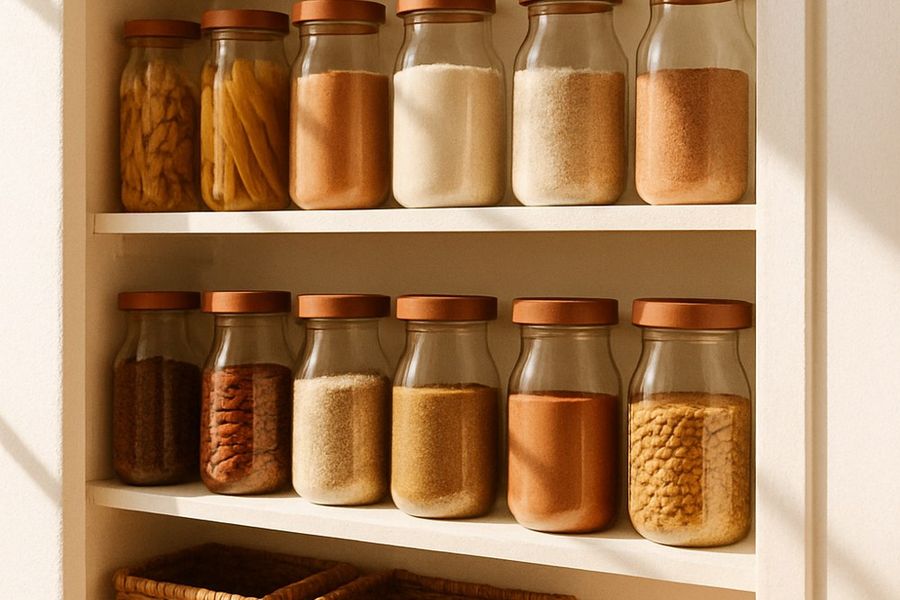
I will be honest with you: I have a complicated relationship with pantry containers. On one hand, a row of matching, labeled canisters lined up in perfect formation is genuinely one of my favorite sights in the world. On the other hand, I have wasted real money and real time decanting things that did not need to be decanted, and I have learned that lesson the hard way. This guide is the one I wish I had before I bought my first set of jars. It will tell you exactly what is worth the effort, what is a waste of time, and how to make smart decisions before you spend a single dollar on containers.
The Real Reason to Decant (It Is Not Just About Looks)
Decanting earns its place when it does at least one of these three things: extends shelf life, saves usable space, or makes something genuinely easier to access. If a container does none of those things for a particular ingredient, it is just a chore you added to your life.
Airtight containers slow staling and keep moisture and pests out. That matters a lot for certain ingredients and very little for others. Keep that filter in mind as you read the rest of this guide, and you will make better decisions than most people do when they first discover the world of pantry organization.
Always Worth Decanting: Dry Staples You Use Every Week
These are your clear wins. Flour, sugar, rolled oats, rice, dried pasta, cornmeal, and bread crumbs all benefit from airtight storage because they stale quickly once a bag is opened and they are almost impossible to scoop cleanly from a bag without making a mess.
For these, a set of consistent, stackable containers is worth every penny. Airtight Food Storage Containers (24-Pack) Our Airtight Food Storage Containers come in a 24-piece set with matching sizes that stack cleanly and seal properly, which is exactly what a working pantry needs. Label the front with the contents and the date you filled it, and you will always know what you have.
A good rule of thumb on sizing: a 5-pound bag of flour fits into roughly a 175-ounce container. A 2-pound bag of sugar fits in about 100 ounces. Measure once, buy the right size, and you will not be cramming or leaving half the bag on the side.
Great Candidates: Baking Supplies and Bulk Spares
Baking powder, baking soda, cocoa powder, powdered sugar, and brown sugar all clump and absorb odors fast. They are also used in small amounts, which means bags stay open in your pantry for weeks. Decanting them into smaller airtight jars keeps them fresh and makes measuring much easier.
If you like the look of glass for things you reach for often, Glass Canisters with Airtight Lids our Glass Canisters with Airtight Lids are a clean, functional option that looks good on a shelf and seals well enough to actually protect the contents. My fiance pushed for glass over plastic in our pantry, and I will admit they were right. It photographs better and the lids feel more substantial.
Worth It with One Condition: Coffee, Tea, and Nuts
Whole-bean coffee, loose-leaf tea, and nuts all go stale or rancid faster than most people expect, and airtight storage genuinely extends their life. However, they come with a condition: only decant what you will use within a few weeks. If you buy in bulk, keep the overflow sealed in its original bag in the freezer and only transfer a small working supply to a countertop or pantry canister.
For nuts specifically, a glass or clear acrylic container lets you see at a glance how much you have left, which prevents the very common scenario of buying duplicates because you forgot you already had some.
Skip the Containers: What to Leave in Its Original Packaging
This is where I had to make peace with reality. Canned goods, jarred sauces, boxed broths, condiments, and anything shelf-stable in its own sealed container does not need to be transferred. The manufacturer's packaging is already airtight, already labeled with nutrition facts and an expiration date, and decanting it would just be extra work with no payoff.
Same goes for items you go through slowly, like specialty flours (almond, coconut, teff) that you use once a month. Keeping them in their original resealable bags, clipped shut and stored in a bin, is perfectly fine. Save your container budget for the things you actually open and close multiple times a week.
Chips, crackers, and cereal are a judgment call. They go stale fast once opened, so a large airtight container can help. But if your household goes through a box of cereal in three days, do not bother. The bag will be gone before staleness is ever an issue.
How to Set Up Your Container System Without Overcomplicating It
Start by pulling everything out of your pantry and sorting it into two piles: things you use multiple times a week, and everything else. Your container budget goes almost entirely toward the first pile.
Buy containers in two or three consistent sizes rather than a mismatched assortment. This lets you stack them, line them up in rows, and actually see what you have. Measure your shelves before you order anything. A standard pantry shelf is usually 12 inches deep, so containers deeper than that will hang over the edge or block whatever is behind them.
Once you fill a container, label it immediately with the contents and the fill date. I use a simple label maker for this, and I am not even slightly embarrassed about it. If you prefer handwritten labels, a chalkboard label and a fine-tip marker works just as well. The fill date matters more than people think: flour has a 6-to-12 month shelf life once opened, and you will not remember when you filled that canister six months from now without a date on it.
A Quick Word on Aesthetic Consistency
If you want your pantry to look cohesive, pick one material and stick with it. Clear acrylic and clear glass both work well because you can see contents at a glance without opening anything. Mixing the two can look busy. If budget is a concern, start with just your most-used items and add more containers over time as the old packaging runs out.
For items you store in smaller quantities or want to display, Airtight Glass Storage Container an Airtight Glass Storage Container with a clean lid keeps things fresh and looks intentional rather than thrown together. Pair it with a consistent label style and your pantry will look organized even if it is not completely finished yet. Tall Glass Storage Jar with Wooden Lid A Tall Glass Storage Jar with Wooden Lid works especially well for pasta, rice, or oats where you want to see the full quantity at a glance.
The takeaway: Decanting is worth it when it extends shelf life, saves space, or makes something easier to use. It is not worth it just because a container looks nice sitting on a shelf. Focus your effort on the dry staples you open every week, get your sizing right before you buy, label everything with a date, and leave the rest in its original packaging without guilt. A thoughtful, half-done system beats an ambitious, overwhelming one every single time.
Everything mentioned in this guide

Airtight Food Storage Containers (24-Pack)
View product →
Glass Canisters with Airtight Lids
View product →
Airtight Glass Storage Container

Tall Glass Storage Jar with Wooden Lid

Glass Apothecary Storage Jars (6-Set)
View product →