Mudroom Organization Ideas for Shoes, Bags, and Backpacks
Last updated: 2026-09-16 · 5 min read
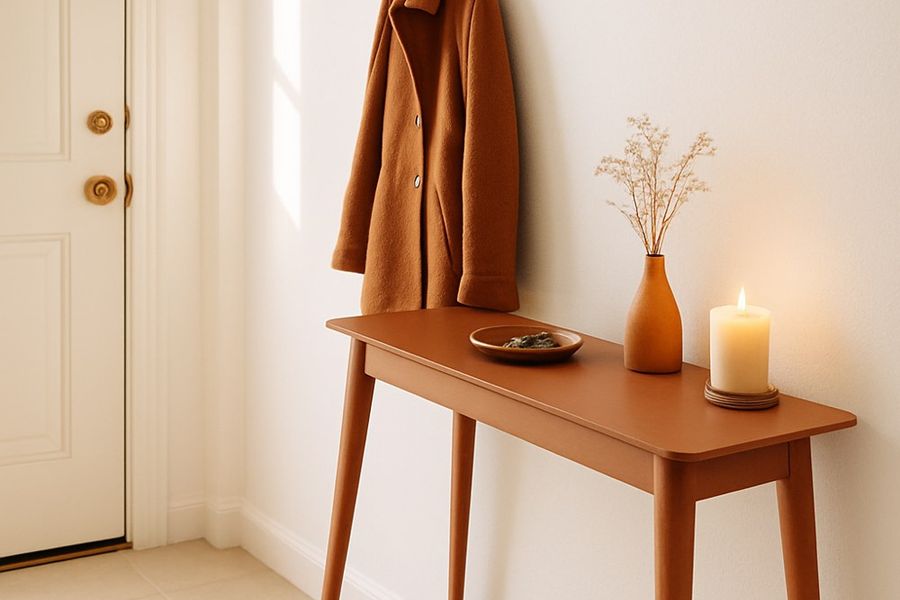
The mudroom is the first test every household fails. You walk in, drop everything on the nearest surface, and tell yourself you'll sort it later. Later never comes. What you end up with is a pile of shoes by the door, three bags on one hook, and a backpack that somehow migrated to the kitchen counter. It doesn't have to be this way. A well-organized mudroom isn't about having a big, beautiful space designed by an interior architect. It's about giving every item that enters your home a specific place to land, so it stops landing everywhere else. Here's how to actually do that.
Start by Auditing What Actually Comes Through the Door
Before you buy a single bin or hook, spend five minutes thinking about what your mudroom handles every day. Write it down. Shoes, yes, but how many pairs per person, and are they mostly sneakers or a mix of boots and flats? Bags: work bags, gym bags, school backpacks? Coats, umbrellas, dog leashes?
This audit changes everything. A household with two adults and no kids needs completely different storage than one with three kids in school. If you skip this step and just buy organizers that look good online, you'll end up reorganizing again in six months. Ask me how I know.
Create Dedicated Zones Instead of One Big Drop Area
The single biggest upgrade you can make to any mudroom is zoning: assigning a specific area to each category of stuff. Shoes get one zone. Bags get another. Outerwear gets a third. When everything has a zone, you stop making micro-decisions every time you walk in the door.
A simple zone layout for a small mudroom might look like this: shoes along the floor or on a low shelf near the door, bags and backpacks on hooks at mid-height (roughly 48 to 60 inches from the floor for adults, 36 to 48 inches for kids), and coats on higher hooks or a rod above. Even a narrow entryway of 24 to 36 inches wide can hold all three zones if you think vertically.
Solve the Shoe Problem with the Right Storage Format
Shoes are the hardest category to control because they're bulky, they multiply, and everyone has strong feelings about where their favorites should go. The most functional approach is a tiered system: daily shoes get the easiest access, and everything else gets stored.
For daily rotation, a shoe cabinet with doors keeps things looking clean without requiring anyone to actually put shoes away neatly. The Farmhouse Shoe Cabinet with Barn Doors (4-Tier) is a solid option here, with four tiers and barn-style doors that hide the chaos behind something that actually looks intentional. For off-season or backup pairs, Stackable Clear Shoe Storage Boxes (12-Pack) stackable clear shoe boxes let you see exactly what's inside without digging. Stack them on a shelf or in a closet and you've instantly doubled your usable shoe storage.
Make the Hook Wall Do Real Work
Most mudrooms have hooks, and most of those hooks are immediately overloaded. One hook per person is not enough. The rule I use is three points of contact per person: one hook for a coat or heavy bag, one for a lighter bag or backpack, and one for small items like a hat or dog leash.
If your wall space is limited, magnetic hooks are a flexible option that can be repositioned without repainting. Heavy-Duty Magnetic Hooks (20-Pack) heavy-duty magnetic hooks work well on metal surfaces or magnetic boards, which you can mount as a panel above a bench. For walls where you want something more permanent but still damage-conscious, Command Damage-Free Hanging Variety Pack Command damage-free hooks come in a variety of sizes and hold more weight than people expect. A good variety pack covers everything from a lightweight keyring to a full school backpack.
Handle Backpacks and School Bags Specifically
Backpacks deserve their own moment because they're the item most likely to be dumped on the floor. They're heavy, they have stuff inside, and kids (and adults) don't want to empty them every day. The solution is not to fight that instinct but to work with it.
Give each backpack its own dedicated hook at the right height, low enough that the person using it can hang it without help. Below that hook, if you have floor space, put a small basket or bin for shoes that belong to that same person. That pairing, one hook above one bin, creates a personal landing zone. When each person in the household has their own spot, the mudroom becomes self-sorting rather than a free-for-all.
Add a Spot for the Small Things That Always Get Lost
Keys, sunglasses, dog bags, a stray lip balm. These small items don't have a natural home in most mudrooms, so they end up in pockets, on counters, or lost entirely. Fix this with a small tray or narrow shelf at eye level near the door.
A floating shelf keeps this from eating floor or bench space. Rustic Wood Floating Shelves (Set of 3) acrylic floating wall shelves are slim, hold a surprising amount, and don't visually clutter the wall. Mount one at about 60 inches from the floor, add a small dish or tray, and declare it the official landing zone for small items. My fiance was skeptical about putting a shelf in a spot that narrow. They came around when it meant the keys were actually findable.
Keep It Maintained with Simple Rules, Not Willpower
The best mudroom setup falls apart without a short weekly reset. Not a deep clean, just a five-minute sweep: return shoes to their spots, hang up anything that got draped over a hook, and clear the small-items shelf of anything that wandered in from another room.
If the system is fighting you every week, that's information. Maybe there aren't enough hooks. Maybe the shoe zone is too far from where people actually take shoes off. Adjust the system rather than blaming the people using it. A good organization setup should make the right behavior slightly easier than the wrong one. That's the whole game.
The takeaway: A mudroom that works isn't fancy, it's specific. Audit what comes through your door, assign every category its own zone, give each person their own landing spot, and add one small shelf for the things that always go missing. Do those four things and your entryway will hold up through even the busiest weekday mornings.
Everything mentioned in this guide

Farmhouse Shoe Cabinet with Barn Doors (4-Tier)

Stackable Clear Shoe Storage Boxes (12-Pack)
View product →
Heavy-Duty Magnetic Hooks (20-Pack)
View product →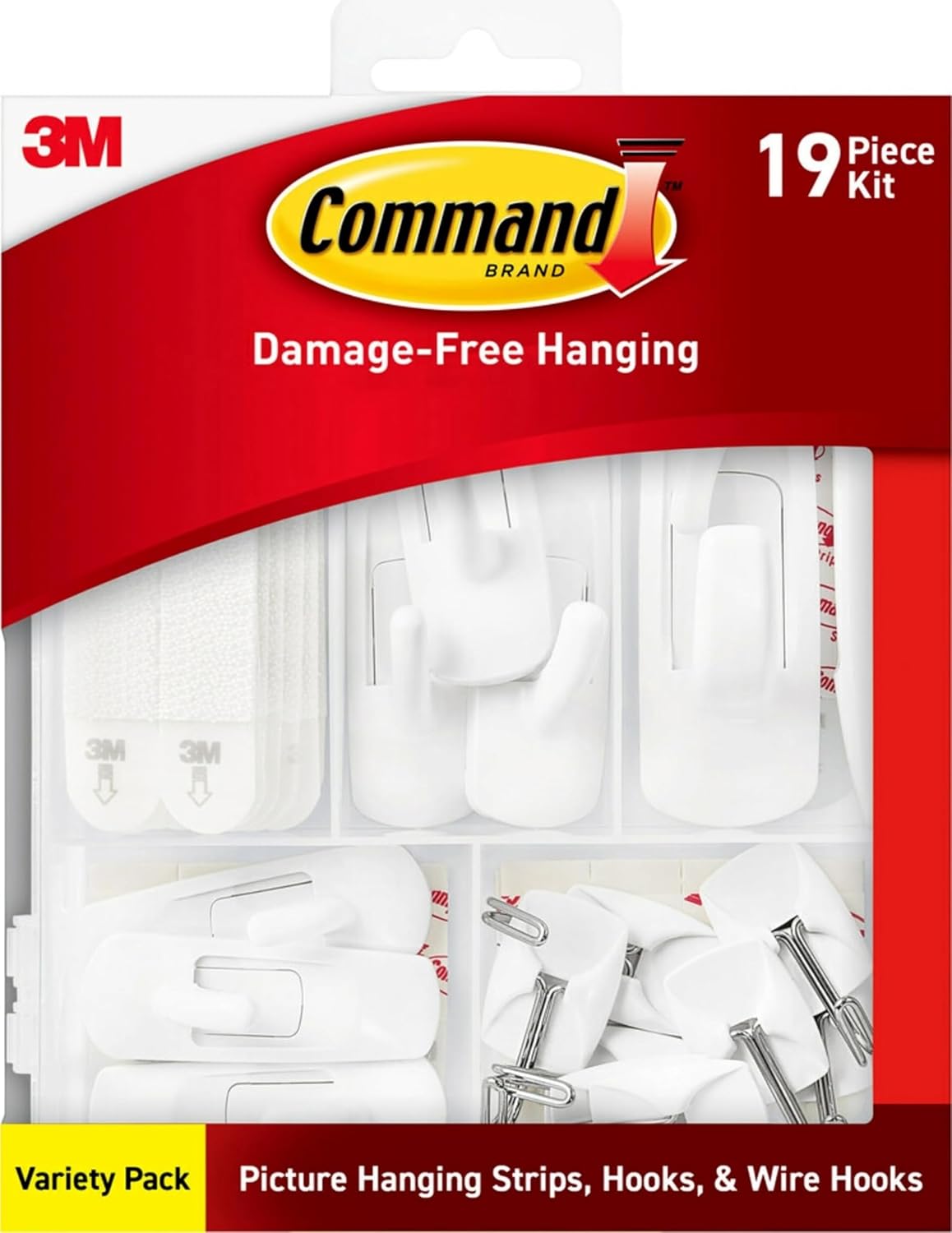
Command Damage-Free Hanging Variety Pack

Rustic Wood Floating Shelves (Set of 3)
View product →