Kitchen Cabinet Organization: Make Every Shelf Count
Last updated: 2026-09-15 · 5 min read
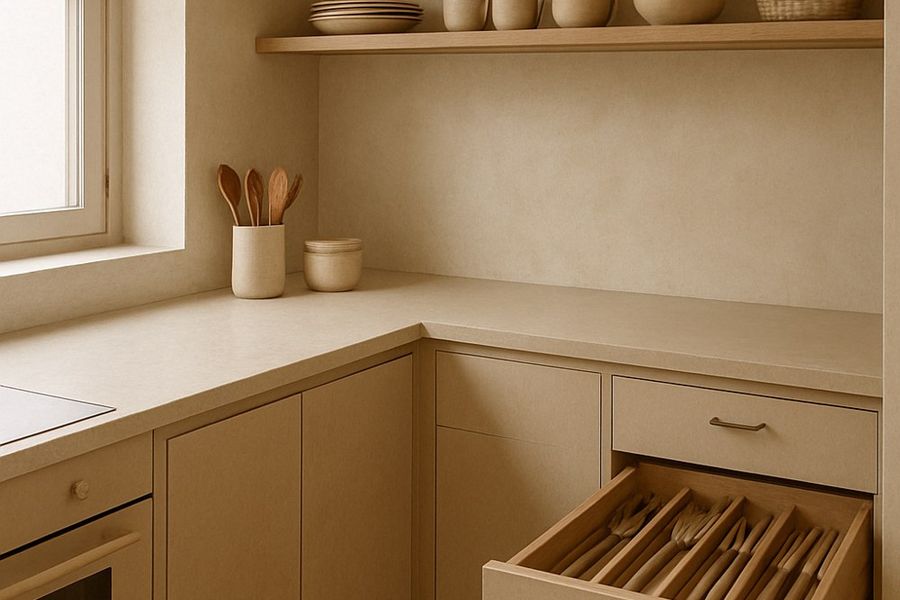
Kitchen cabinets are sneaky. They look fine from the outside, and then you open one and a stack of mismatched lids comes for you. I have been there. I have also spent an embarrassing amount of time fixing it, and now I want to walk you through the version that actually sticks. This is not about buying more bins or making your cabinets look like a magazine shoot (though that is a nice side effect). It is about building a system where everything has a home, you can find it in under three seconds, and putting it back takes zero mental effort.
Start by Emptying Everything Out
Before you touch a single shelf liner or bin, take every item out of every cabinet. All of it. This step feels dramatic, and it is, but it is also the only way to see what you actually have.
Group things on the counter by category: baking, canned goods, snacks, spices, cookware, storage containers, and so on. As you go, toss anything expired, duplicated beyond reason, or genuinely never used. If you have three can openers, now is when you admit it.
Once you can see the full picture, you can make real decisions about what goes where. Reorganizing without this step just means rearranging the chaos.
Assign Zones Based on How You Actually Cook
The most common cabinet mistake is organizing by category alone without thinking about frequency or location. Here is a better framework: put things where you reach for them, not where they seem like they belong.
Heavy daily items like plates, everyday glasses, and cooking oils belong in cabinets closest to where you use them. Baking supplies can live higher up or further away if you only bake on weekends. Rarely used appliances and serving pieces go in the back or in harder-to-reach spots.
Think of your kitchen in three zones: prep area, cooking area, and cleanup area. Cabinet contents should match the zone they are in. This one shift cuts down on unnecessary steps every single day.
Fix the Shelf Height Before You Put Anything Back
Most kitchen cabinets ship with shelves set at a default height that does not match your actual dishes and pantry items. Adjusting shelf height is free, takes ten minutes, and makes a bigger difference than almost any product you could buy.
For a cabinet holding dinner plates, you typically need about 10 to 11 inches of clearance. For mugs and glasses, 6 to 7 inches is usually enough. For a spice shelf, 5 to 6 inches lets you stack two rows and still read labels. Check your cabinet hardware for peg holes and move shelves before you load them back up.
While you are at it, add a dedicated shelf or section just for food storage containers. Bamboo Food Container Lid Organizer A bamboo lid organizer keeps pot lids and container lids upright and separated so you can grab the right one without digging. Pair it with a set of uniform airtight containers Airtight Food Storage Containers (24-Pack) and that whole shelf goes from chaotic to calm overnight.
Tackle the Spice and Pantry Cabinet
Spice organization is where a lot of people give up because the solutions seem fussy. They do not have to be. The goal is simple: you need to be able to see every spice without moving anything else.
One approach is a tiered riser inside a cabinet, which lets you see two rows at once. Another is a magnetic rack on the side of the fridge. Magnetic Spice Rack for Fridge (4-Pack) A magnetic spice rack frees up cabinet space entirely and keeps everything visible at eye level while you cook. Either way, decanting spices into uniform jars is optional but genuinely useful if you refill often.
For dry pantry goods like pasta, rice, oats, and snacks, clear airtight containers do more than look nice. They let you see fill levels, keep food fresh longer, and stack cleanly. Yes, my jars all face the same direction. No, I will not be apologizing for that.
Sort Out the Drawer Situation
Drawers are where kitchen systems go to die. Utensils migrate, small tools pile up, and suddenly your junk drawer has three tape measures and no tape.
Start with your main utensil drawer. A bamboo expandable drawer organizer Bamboo Expandable Drawer Organizer lets you customize the compartments to your actual utensils rather than forcing your things into a fixed grid. Measure your drawer before you order: most standard kitchen drawers are 18 to 21 inches wide and 18 to 20 inches deep.
For the silverware drawer, a dedicated organizer with labeled slots makes a real difference when you are unpacking the dishwasher in a hurry. Silverware Drawer Organizer (9-Slot) Keep only what you actually use in that drawer. Extra serving pieces can live in a cabinet or a drawer that is less prime real estate.
Deal With the Cabinet Under the Sink
Under the sink is its own category of chaos because the pipes eat into the space and nothing sits flat. The trick is to work around the pipes instead of fighting them.
A two-tier slide-out organizer is the single most effective product for this space. 2-Tier Under-Sink Slide-Out Organizer It fits around the plumbing and gives you two levels of accessible storage where before you had a dark pile. Put cleaning sprays and dish soap on the lower level and smaller items like sponges, gloves, and scrubbers on the upper level.
My fiance had strong feelings about this cabinet looking less industrial, which is fair. Decanting dish soap into a glass dispenser and using a small tray to corral items on the upper shelf goes a long way toward making it feel intentional rather than just stuffed.
Label It and Leave It
Labels are what turn a one-time tidy into a lasting system. When a cabinet or shelf is labeled, anyone in the household knows where things belong, which means things actually get put back in the right place.
You do not need a label maker for everything (though I do own one and I do use it). Even a piece of masking tape and a marker works fine for inside cabinets. Label shelf zones rather than individual items: Baking, Canned Goods, Pasta and Grains. This keeps the system flexible enough to evolve without starting over.
Review your cabinet system once a season. Ten minutes every few months to check that zones still make sense and things have not drifted is all it takes to keep the whole thing running.
The takeaway: Good cabinet organization is not about perfection. It is about making the right choice the easy choice every time you open a door. Audit what you have, match zones to your actual habits, fix shelf heights, and add a few targeted tools where they genuinely help. Do that and your cabinets will work for you instead of against you.
Everything mentioned in this guide

Airtight Food Storage Containers (24-Pack)
View product →
Bamboo Expandable Drawer Organizer
View product →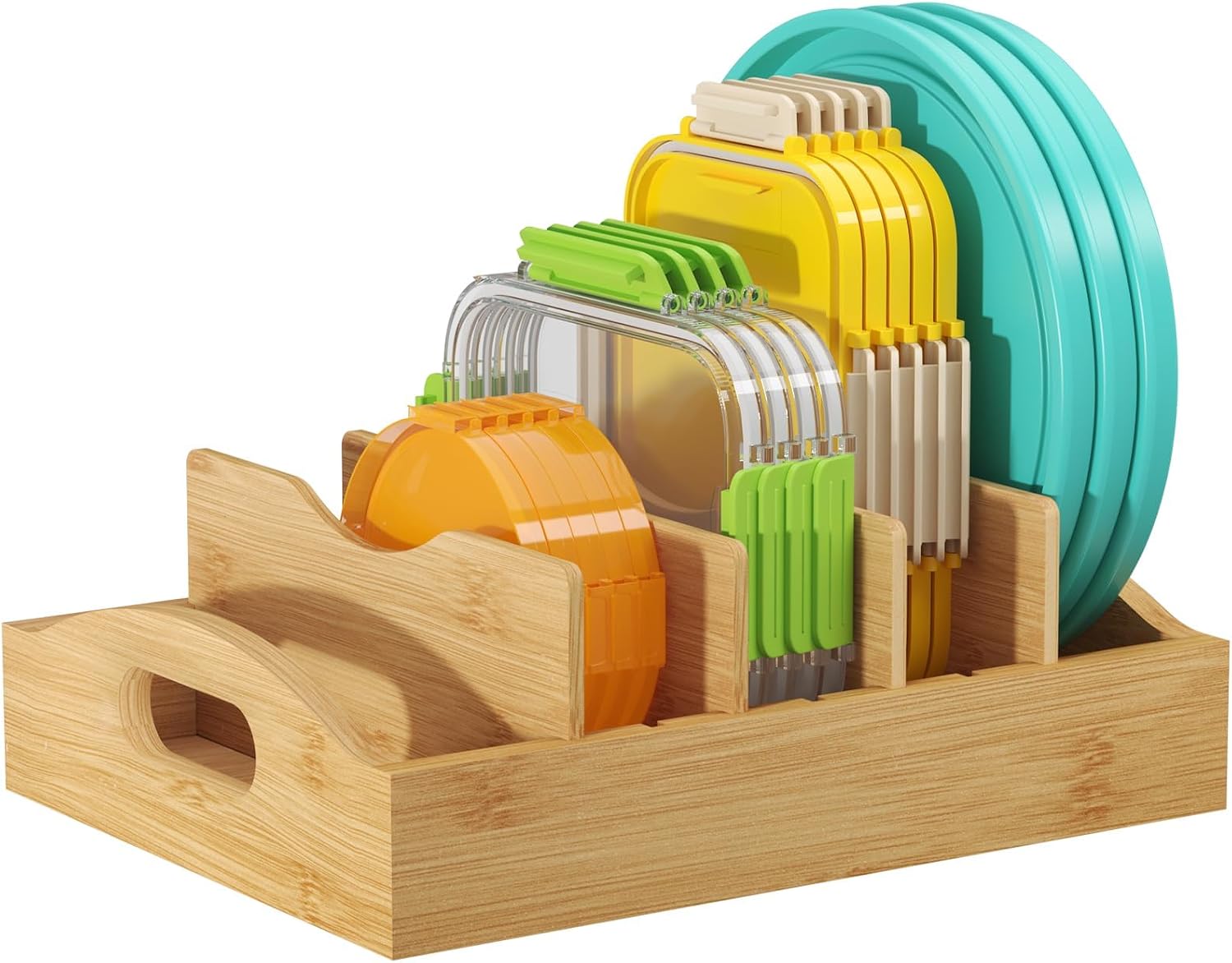
Bamboo Food Container Lid Organizer
View product →
2-Tier Under-Sink Slide-Out Organizer
View product →
Magnetic Spice Rack for Fridge (4-Pack)
View product →