How to Choose a Closet Organizer System for a Small Closet
Last updated: 2026-08-23 · 6 min read
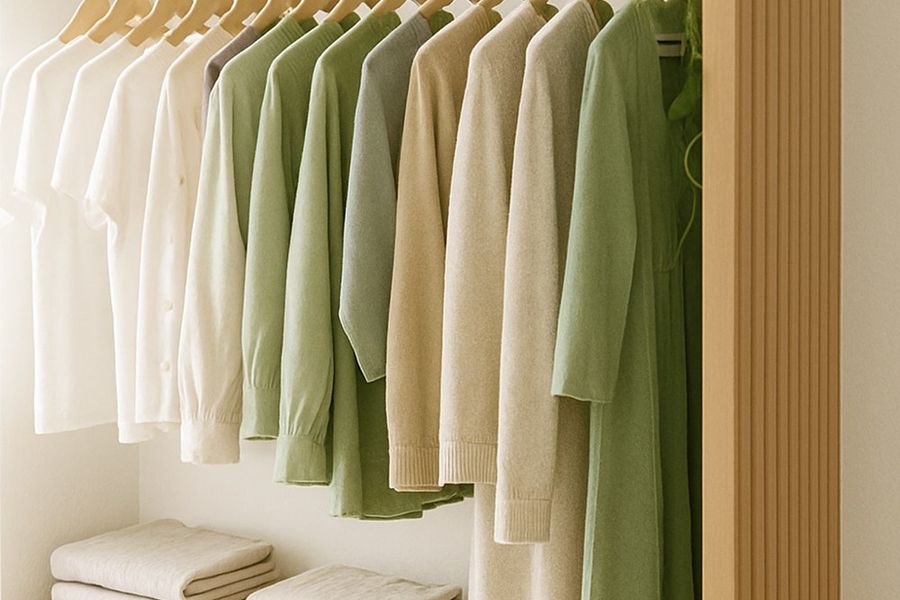
Small closets have a way of making you feel like the problem is you. It is not. The problem is almost always the single sad rod and one shelf that came with the space, which were designed by someone who has never actually tried to store a winter wardrobe in 24 inches of hanging space. The good news is that a properly chosen closet organizer system can genuinely double your usable storage without touching a single wall stud. The less good news is that picking the wrong one wastes money, time, and whatever patience you had left. This guide walks you through exactly how to choose the right system for your specific small closet, from measuring to installation.
Start with a Tape Measure, Not a Shopping Cart
Before you look at a single product, you need four measurements: width, depth, height floor to ceiling, and height from the floor to any existing shelf or rod. Write them down. Seriously, write them down somewhere you will actually see them while you shop, because the number of times I have ordered something that would not fit is a number I am not prepared to share publicly.
For a reach-in closet, also note whether the door swings in or slides. A swinging door eats into usable floor space and rules out any floor-standing unit that would block it. A sliding door usually means you cannot use the back of the door effectively either, which changes your options.
Finally, check whether your walls are drywall over studs, drywall over concrete, or plaster. This determines what kind of wall anchor you can use and whether a wall-mounted system is even realistic for a weekend project.
Understand the Three Types of Systems
Closet organizer systems generally fall into three categories, and they are not interchangeable.
Freestanding modular systems sit on the floor and require no drilling. They are the easiest to install and the easiest to reconfigure later. The tradeoff is that they use some floor space and are only as stable as the floor they sit on. A good option here is the VIPEK V5 Freestanding Modular Closet System VIPEK V5 Freestanding Modular Closet System, which is genuinely adjustable and works well in closets that are too shallow for most built-in kits.
Wall-mounted track systems anchor into the wall and let you hang shelves, rods, and baskets at whatever height you need. The ClosetMaid ShelfTrack Wire Closet Organizer System ClosetMaid ShelfTrack Wire Closet Organizer System is the classic here. It requires finding studs or using the right anchors for your wall type, but it frees up the floor entirely, which matters a lot in a small closet.
Wood tower systems give you a more furniture-like look with built-in drawers and cubbies. The ClosetMaid SuiteSymphony Wood Closet Organizer ClosetMaid SuiteSymphony Wood Closet Organizer is worth a look if aesthetics matter to you. My fiance has strong feelings about closets looking intentional rather than improvised, so this category gets more consideration in our house than it might in yours.
Match the System to What You Actually Own
A closet system that works for someone with thirty hanging garments and no shoes is useless to someone with ten hanging garments and forty pairs of shoes. Before you buy anything, sort your current clothing by category and estimate how much of each type you have.
Heavy on hanging items: prioritize double-hang rods, which stack two rows of short hanging space and can nearly double your hanging capacity for shirts, jackets, and folded pants.
Heavy on folded items, shoes, or accessories: prioritize shelving and drawers over rod space. The Aheaplus Closet System with 4 Wooden Drawers Aheaplus Closet System with 4 Wooden Drawers is a good fit if you fold most of your clothes and want to stop stacking things in precarious piles.
Heavy on shoes specifically: stackable clear shoe boxes are more space-efficient than floor racks and let you actually see what you own. The Stackable Clear Shoe Storage Boxes (12-Pack) Stackable Clear Shoe Storage Boxes work well on shelves inside a closet system and keep things looking orderly without requiring a whole separate piece of furniture.
Plan Your Zones Before You Install Anything
Even a tiny closet benefits from zones: a hanging zone, a folded-items zone, a shoes zone, and if you have the space, an accessories or bag zone. Sketch this out on paper before a single bracket goes into the wall.
Here is a practical starting point for a standard small reach-in closet that is about 5 to 6 feet wide. Use double-hang rods on one side for shirts and shorter items. Reserve the other side for a single long rod if you have dresses or pants on hangers. Stack shelves above both sides. Put shoe storage on the floor below the double-hang section, where you gain the most vertical clearance.
If your closet is narrower than 4 feet, a single tower unit down the center with open shelving on either side is often more practical than trying to divide the space into zones at all.
Do Not Ignore the Door and the Walls
The back of a closet door and the side walls are underused in almost every small closet I have ever seen. An over-the-door organizer can hold shoes, accessories, cleaning supplies, or whatever category has no good home elsewhere. The Over-the-Door Hanging Organizer (5-Shelf) Over-the-Door Hanging Organizer with 5 shelves is slim enough to clear most door frames without blocking the door from closing.
Side walls inside a closet can hold hooks for bags and belts, small shelves for accessories, or a mounted hook rail. The Heavy-Duty Magnetic Hooks (20-Pack) Heavy-Duty Magnetic Hooks work on any metal surface, and if you have a wire shelf system already, they clip on without any drilling at all.
Budget Honestly and Prioritize the Right Pieces First
A full closet overhaul sounds exciting until you see the total at checkout. If budget is a constraint, build in phases. Phase one: the main hanging and shelving structure, which does the most work. Phase two: drawers or specialized storage like shoe boxes. Phase three: the small finishing pieces like hooks, bins, and labels.
For most small closets, spending the majority of your budget on the primary system and going minimal on accessories is the smarter call. A $200 well-chosen wire or modular system will outperform a $400 system you bought impulsively because it looked good in the photo.
Also factor in what you already own that still works. If your existing shelf is solid, keep it and build around it rather than ripping everything out.
One Last Step Before You Order
After you have picked your system and confirmed the measurements, do a quick check on three things. First, read the weight limits. Small closet systems vary widely in how much they can hold, and a shelf full of heavy sweaters or shoe boxes can exceed the rating on a cheaper unit. Second, check the return policy. Dimensions look different in a real closet than on a product page, and you may need to swap for a different size. Third, look at the hardware included. Some systems come with every anchor and screw you need; others assume you already have a fully stocked tool kit. Knowing this ahead of time saves a second trip to the hardware store.
Once your system is in, resist the urge to fill every inch immediately. Live with the new layout for a week and see how you actually use it. Then organize. Then label. That last part is non-negotiable, at least in my closet.
The takeaway: Choosing a closet organizer system for a small space comes down to four things: accurate measurements, understanding the system types, knowing what you actually own, and planning zones before you buy. Skip any of those steps and you are guessing. Do them all and you will end up with a closet that works every single day, which is the whole point.
Everything mentioned in this guide

VIPEK V5 Freestanding Modular Closet System

ClosetMaid ShelfTrack Wire Closet Organizer System

ClosetMaid SuiteSymphony Wood Closet Organizer

Aheaplus Closet System with 4 Wooden Drawers

Stackable Clear Shoe Storage Boxes (12-Pack)
View product →