How to Choose a Closet Organizer System for a Small Closet
Last updated: 2026-08-21 · 6 min read
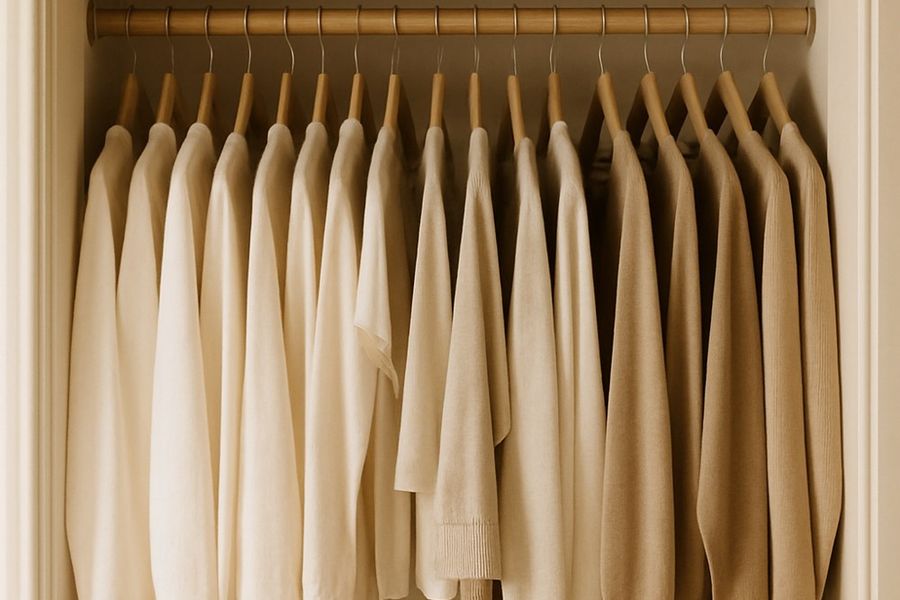
Small closets have a way of making you feel like the problem is you. It is not. The problem is almost always a lack of structure. A rod across the top and a single shelf above it was never going to cut it for a full wardrobe, let alone the extra blankets, the gym bag, and whatever is living in that back corner. The good news is that a purpose-built organizer system can genuinely double your usable space. The tricky part is choosing the right one before you buy. Here is how to do that.
Start with a Tape Measure, Not a Shopping Cart
Before you look at a single product, spend ten minutes with a tape measure and write down four numbers: the width of your closet opening, the total interior width, the depth from the door to the back wall, and the height from floor to ceiling shelf or rod.
Width matters most. Many modular systems are designed for closets starting at 48 or 60 inches wide. If your closet is 36 inches, that narrows your options fast and saves you from a painful return.
Depth matters too. Standard closet depth is 24 inches, which accommodates clothes hung on a rod. If yours is shallower, say 18 to 20 inches, look for systems with a shallower hang rod or plan to angle your hangers.
Write these numbers on your phone. You will reference them constantly.
Decide What You Are Actually Storing
A closet organizer is only as good as its fit to your stuff. Before choosing a system, do a quick audit of what goes in that closet and roughly how much of each category you have.
Ask yourself: How many hanging items do I have, and what length are they? Long dresses and coats need a full-length hang zone (at least 60 inches of vertical clearance). Shirts and jackets need only 40 to 45 inches, which means you can fit a shelf or a second hang rod below them.
How many folded items do you have? Sweaters, jeans, and workout clothes do better on shelves or in drawers than on hangers. If folded items dominate, prioritize shelf space over hanging space.
Shoes deserve their own honest count. Ten pairs is very different from thirty. That number will help you decide whether you need a dedicated shoe shelf, a stacking shoe box solution like the Stackable Clear Shoe Storage Boxes (12-Pack), or just a couple of rows on an adjustable shelf.
Understand the Three System Types
Freestanding systems sit on the floor and require no installation. They are renter-friendly and repositionable. The tradeoff is that they take up floor space and can feel less custom. The VIPEK modular system VIPEK V5 Freestanding Modular Closet System is a good example of a freestanding option that lets you configure components around your specific mix of hang space, shelves, and drawers.
Wall-mounted wire systems anchor into studs or wall anchors and hold a lot of weight without touching the floor. The ClosetMaid ShelfTrack system ClosetMaid ShelfTrack Wire Closet Organizer System is the classic here. It is adjustable after install and works well in rental situations if you are comfortable with minor wall patching on move-out.
Wall-mounted wood or laminate systems give a more finished, furniture-like look. They cost more and take longer to install, but if you are staying put, they are worth considering. The ClosetMaid SuiteSymphony ClosetMaid SuiteSymphony Wood Closet Organizer falls into this category and can be configured with drawers, shelves, and hang rods in a single unit.
For a truly small closet, a wall-mounted system usually wins because it keeps the floor clear, which makes the space feel and function bigger.
Map Out Your Zones Before You Buy
This is the step most people skip, and it is the one that matters most. On paper or a free app like SketchUp, sketch your closet to scale and divide it into zones.
A typical small closet might have a short-hang zone on one side (shirts, jackets, folded items on a shelf below), a long-hang zone on the other side (dresses, coats), and a shelf tower in the middle or at one end for folded clothes and accessories.
If your closet is narrow, you may only have room for one zone. That is fine. Prioritize the category you have the most of.
If you want to maximize vertical space on the back wall, consider adding floating shelves above the main rod for bins, boxes, and seasonal items. The expandable wall-mounted closet system ONBRILL Expandable Wall-Mounted Closet System is worth a look here because it adjusts to whatever width you are working with.
Think About the Door and the Floor
Small closets waste two areas constantly: the back of the door and the floor.
The back of the door can hold a surprising amount if you use it intentionally. An over-the-door organizer Over-the-Door Hanging Organizer (5-Shelf) works well for accessories, shoes, cleaning supplies, or anything in that miscellaneous category that never quite has a home.
The floor can hold a shoe rack, a small rolling cart, or a hamper, but only if your hang zone ends high enough. If your clothes are brushing the floor, raise your hang rod or switch short items to a double-hang section and reclaim that floor space.
My fiance pushed back when I wanted to use every door surface in our apartment. But the closet door was the one I won, and I stand by it completely.
Check Compatibility and Weight Ratings
Not all wall systems are equal in what they can hold. Check the weight rating for both the shelves and the hang rod before you buy. A typical wire shelf should hold at least 50 pounds; a hang rod should hold at least 35 to 40 pounds for a full load of clothes.
If you have plaster walls instead of drywall, verify that your chosen system can be anchored properly. Some systems rely on a wall track that spans the full width of the closet and anchors at studs. Measure your stud spacing (usually 16 inches on center) and confirm the system's top track will hit at least two studs.
For renters going with a freestanding system, check that the unit is stable without wall anchors. Some freestanding systems include a top stabilizer bar that presses against the ceiling for added security without permanent installation.
Swap Your Hangers Last
Once your system is in, do not overlook hangers. Bulky plastic hangers eat horizontal rod space fast. Switching to slim velvet non-slip hangers Slim Velvet Non-Slip Clothes Hangers can recover two to four inches of rod space per foot, which in a small closet is genuinely meaningful.
Buy them all at once so your closet looks uniform. Yes, I am aware this is a very me thing to care about. But open a closet full of matching hangers and tell me it does not feel calming. I will wait.
The takeaway: Choosing a closet organizer system for a small closet comes down to four things: accurate measurements, an honest inventory of what you own, the right system type for your space and situation, and a zone plan before you buy anything. Get those four things right and the actual shopping becomes straightforward. The closet you want is in there. It just needs a structure to live in.
Everything mentioned in this guide

VIPEK V5 Freestanding Modular Closet System

ClosetMaid ShelfTrack Wire Closet Organizer System

ClosetMaid SuiteSymphony Wood Closet Organizer

ONBRILL Expandable Wall-Mounted Closet System

Over-the-Door Hanging Organizer (5-Shelf)
View product →